
- This event has passed.
2026 International Summer Course on Environmental and Ecological System Engineering
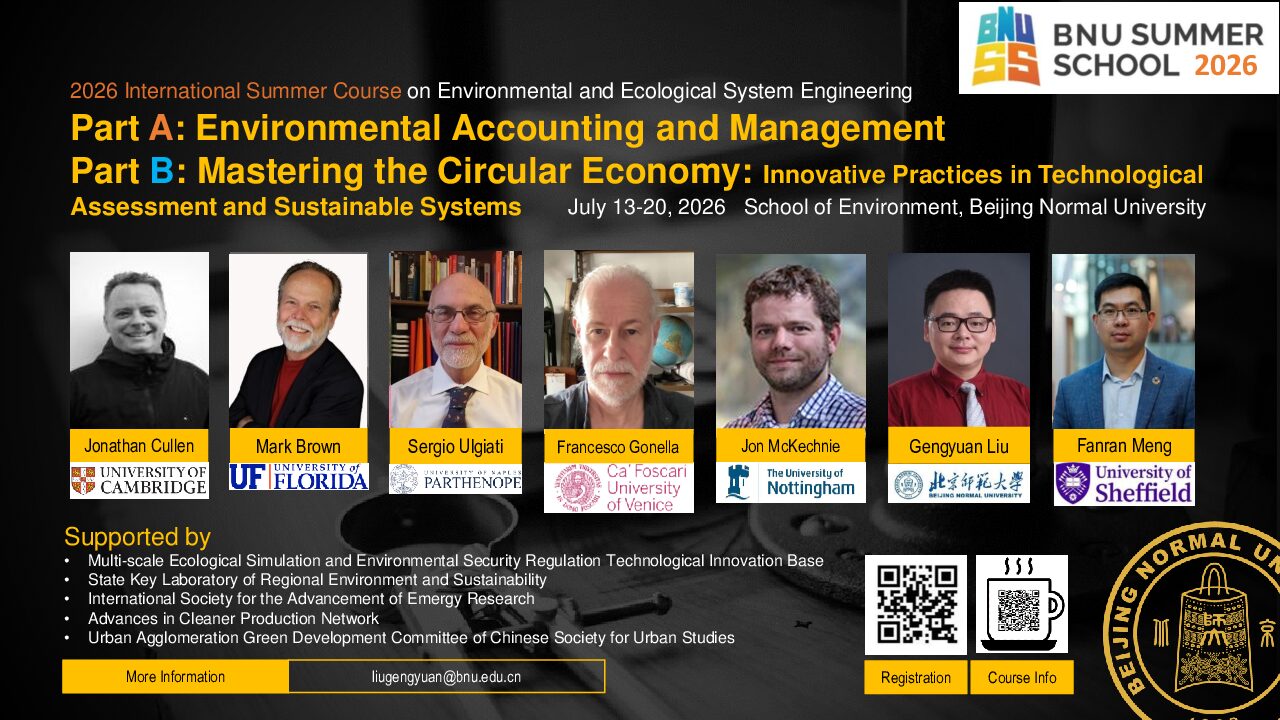
课程主题 / Course Topics
Part A重塑绿色未来:环境核算与系统思维的全球视野
Environmental Accounting and Management
Part B驾驭循环经济:技术评估与可持续系统创新实践
Mastering the Circular Economy: Innovative Practices in Technological Assessment and Sustainable Systems
课程安排 / Course Schedule
Part A:环境核算与系统思维的全球视野 / Environmental Accounting and Systems Thinking
| 课程 / Course | 主题 / Topic | 核心内容 / Key Content |
| Course1 | 系统思维与能值核算导论 Systems Thinking and Emergy Accounting |
系统思维与图解法反馈解析 A short summary of systems thinking and diagramming; the importance of feedbacks 能值核算:可持续性评估的系统生态学方法 Emergy accounting of an energy plant for sustainability assessment 可持续性概念解析:以沼气发电厂为例 The concept of sustainability: case study of a biogas power plant 能值核算中的系统边界拓展 The role of boundary extension in emergy accounting |
| Course2 | 系统性思维与能值理论基础 Systemic Thinking and Emergy Principles |
系统性思维讨论与图示 Discussion of systems thinking: why think systemically? Drawing diagrams 能值理论原理与概念 Emergy principles and concepts in relation to everyday systems; thermodynamics, maximum power, hierarchy, and the Maximum Power Principle 地球圈能值基线测算 Calculation of renewable emergy sources from the Geosphere Emergy Baseline |
| Course3 | LCA-能值协同与循环经济政策 LCA-Emergy Integration and Circular Economy Policy |
生命周期评估与能值核算 Quick description of LCA and its use for calculating UEVs; examples of agricultural chemicals 制浆造纸系统生态优化 Integrated use of LCA and Emergy for high-quality paper making and assessment 能值分析优化循环经济政策设计 Emergy for circular economy policy-making 城市废物管理能值建模 Urban waste management, wastewater, and waste management policies |
| Course4 | 能值代数与静态/动态建模 Emergy Algebra and Static/Dynamic Accounting |
能值代数规则体系 Discussion of Emergy Algebra and the issue of double counting 静态能值分析表构建 Example emergy accounting table: static accounting 动态能值分析表构建 Example of dynamic accounting using EXCEL solver |
| Course5 | 交通、能源与城乡系统能值评估 Emergy Assessment of Transport, Energy, and Urban-Rural Systems |
多模式交通系统能值评估 Transportation patterns and mobility policies 多元发电系统能值评估 Electricity generation from different sources 城乡系统能值评估 Emergy assessment of rural and urban environments 电子废弃物回收能值评估 Emergy evaluation of electronic waste recovery: costs and benefits |
| Course6 | 能值、经济与城市系统 Emergy, Economy, and Urban Systems |
能值-经济-货币关系讨论 Discussion of the relations between emergy, economy, and money NEAD数据库使用 Using the NEAD 能值与城市系统关系讨论 Discussion of the relations between emergy and urban systems |
| Course7 | 能值评价案例与生物质发电 Emergy Evaluation Cases and Bioelectricity |
货币-能量-能值的定义 Quick definition of value: money, energy, and emergy 能值评估实证案例 Practical examples of emergy evaluations for trade, agriculture, energy, recycling, and water 生物质发电系统能值核算 Emergy accounting of a bioelectricity production site 种养循环与能值子系统作用 Agriculture-breeding-conversion and the role of subsystems in emergy descriptions |
| Course8 | 生态系统概念与河口系统能值评估 Ecosystem Concepts and Estuarine Emergy Assessment |
生态系统核心概念解析 Discussion of ecosystem concepts, natural capital, ecosystem services, limiting factors, species, and information 河口系统能值计算与制图 Computing and graphing emergy signature of estuarine systems 河口系统能值评估 Emergy evaluation of estuarine impacts and losses |
| Course9 | 生物质发电可持续性与尺度边界 Bioelectricity Sustainability, Scales, and Boundaries |
生物质发电可持续性评估 Sustainability assessment of bioelectricity production through emergy indicators 系统可持续的尺度和边界 How different scales and boundaries address different narratives for system sustainability |
| Course10 | 环境影响能值评估与模型模拟 Environmental Impact Emergy Assessment and Simulation Modelling |
环境影响能值评估讨论 Discussion of environmental impact and assessment of environmental impacts 替代方案比较与净能值计算 Discussion of emergy evaluation of alternatives; computing Net Emergy 模型模拟:用EXCEL示例 Simulation modelling: examples using EXCEL |
Part B:技术评估与可持续系统创新实践 / Innovative Practices in Technological Assessment and Sustainable Systems
| 课程 / Course | 主题 / Topic | 核心内容 / Key Content |
| Course 1 | 能源系统与效率分析 Energy Systems and Efficiency |
系统介绍 Introduction to systems 能源系统 Energy system 效率极限 Efficiency limits 需求减少 Demand reduction |
| Course 2 | 能源系统建模 Energy System Modelling |
全球能源系统建模 Global energy systems modelling, e.g. global calculator or OSeMOSYS |
| Course 3 | 可持续材料与循环经济评价 Sustainable Materials and Circular Economy Metrics |
可持续材料 Sustainable materials 循环经济创新评价 Circular economy metrics 重工业转型 Transforming heavy industry |
| Course 4 | 资源流可视化:桑基图 Visualising Resource Flows: Sankey Diagrams |
桑基图原理与资源流可视化练习 Principles of Sankey diagrams and practical resource-flow visualisation |
| Course 5 | 技术-经济分析(TEA)基础与应用 Introduction to TEA and Applications |
TEA核心概念 Key concepts and components of TEA studies TEA应用 Applications in chemical engineering and energy systems |
| Course 6 | 可再生能源技术案例:平准化能源成本 Renewable Energy Case Study: Levelised Cost of Energy |
基于可再生能源技术案例,开展平准化能源成本计算练习 Worked example towards calculating the levelised cost of energy for renewable energy technologies |
| Course 7 | 成本估算与财务评价 Cost Estimation and Financial Evaluation |
成本估算 Estimating production costs 经济评估方法 Financial evaluation methods, e.g. NPV, IRR, pay-back period 敏感性分析 Sensitivity analysis: single-parameter, scenario analysis, and multi-parameter analysis, e.g. Monte Carlo |
| Course 8 | 可再生能源技术-经济评价综合案例 Integrated TEA Case Study for Renewable Energy |
可再生能源技术-经济评估实例:敏感性测试与情景建模综合应用 Worked example assessing financial performance of renewable energy technology with sensitivity analysis and scenario analysis |
| Course 9 | 生命周期思维与LCA方法 Life Cycle Thinking and LCA Methodology |
生命周期思维与方法概述 Overview of life cycle thinking and LCA methodology LCA研究范式:从低成熟度技术实证到政策影响建模 Research applications of LCA from low-TRL technologies to policy impact analysis LCA-TEA协同建模 Integrating LCA and TEA methods to quantify cost-climate trade-offs |
| Course 10 | 环境影响评估与LCA-TEA协同案例 Environmental Impact Assessment and Integrated LCA-TEA Case Study |
可再生能源技术环境影响实证研究:LCA建模与多指标权衡框架 Worked example assessing environmental impacts of renewable energy technology LCA-TEA协同建模实例:多情景下平准化减碳成本测算 Worked example quantifying the levelised cost of carbon savings |
教师团队 / Teaching Team
Part A 教师团队 / Part A Teaching Team
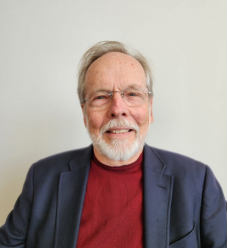 Prof. Mark Brown Prof. Mark Brown
佛罗里达大学 | University of Florida 环境工程教授、湿地与环境政策研究中心主任,师从系统生态学奠基人 H. T. Odum,并为国际能值分析学会创始人。研究聚焦生态系统服务评估、能-水-食物耦合及可持续政策建模,推动能值理论在生态经济决策中的应用。 Professor of Environmental Engineering and Director of the Wetlands and Environmental Policy Research Center. Mentored by H. T. Odum and founder of the International Emergy Society, his work focuses on ecosystem service valuation, energy-water-food nexus, and sustainable policy modelling. |
|
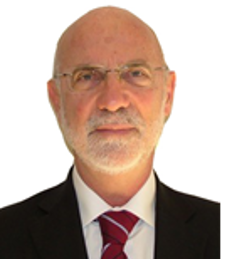 Prof. Sergio Ulgiati Prof. Sergio Ulgiati
意大利那不勒斯帕特诺普大学 | University of Naples Parthenope, Italy 环境科学教授,可持续系统分析与生态经济学专家。研究融合能值分析与生命周期评估(LCA),量化自然-社会系统资源流动与可持续性,关注可再生能源系统优化、城市代谢建模及环境-社会系统耦合。 Professor of Environmental Science and expert in sustainable systems analysis and ecological economics. His work integrates Emergy Analysis and LCA to quantify resource flows and sustainability in nature-society systems, with a focus on renewable energy systems, urban metabolism, and environment-society nexus. |
|
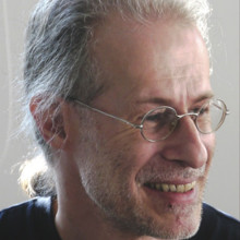 Prof. Francesco Gonella Prof. Francesco Gonella
意大利威尼斯大学 | Ca' Foscari University of Venice, Italy 威尼斯 Ca’ Foscari 大学教授,曾任国际复杂疾病系统动力学研究中心主任。研究兴趣包括环境物理学、环境-健康耦合、系统思维及高等教育。 Professor at Ca' Foscari University of Venice. He was Director of the Center for the Study of the Systemic Dynamics of Complex Diseases. His research interests include environmental physics, environment-health nexus, systems thinking, and higher education. |
|
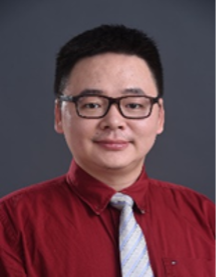 Prof. Gengyuan Liu Prof. Gengyuan Liu
北京师范大学 | Beijing Normal University 北京师范大学教授,长期致力于城市代谢、环境耦合、生态产品价值实现等方面的研究。 Professor at Beijing Normal University. His research focuses on urban metabolism, environmental nexus, and value realization mechanisms for ecological products. |
Part B 教师团队 / Part B Teaching Team
 Prof. Jonathan Cullen Prof. Jonathan Cullen剑桥大学 | University of Cambridge 可持续工程教授,剑桥资源效率研究组负责人。研究聚焦工业代谢、资源效率、高耗能行业低碳转型及可再生技术资源约束评估。 Professor of Sustainable Engineering and leader of the Cambridge Resource Efficiency Research Group. His work focuses on industrial metabolism, resource efficiency, low-carbon industrial transitions, and resource constraints for renewable technologies. |
|
 Prof. Jon McKechnie Prof. Jon McKechnie诺丁汉大学 | University of Nottingham 可持续工程教授,主要研究能源系统技术-经济分析(TEA)与生命周期评价(LCA)。研究方向包括可再生能源成本建模、碳捕集系统评估及生物质/废弃物资源化路径优化。 Professor of Engineering Sustainability, specialising in TEA and LCA for energy systems. His research covers renewable energy cost modelling, carbon capture system evaluation, and optimisation of biomass and waste valorisation pathways. |
|
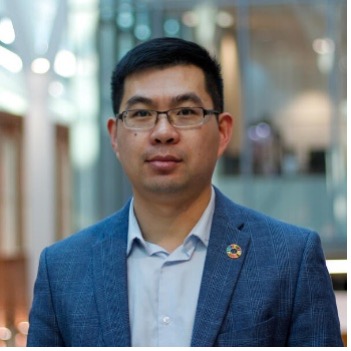 Dr. Fanran Meng Dr. Fanran Meng谢菲尔德大学 | University of Sheffield 格兰瑟姆未来可持续未来中心研究员,化学、材料与生物工程系长聘副教授。研究聚焦资源效率与可持续工程系统,融合过程模拟、物质流分析、LCA/TEA与优化方法。 Senior Lecturer in Sustainable Chemical Engineering and researcher at the Grantham Centre for Sustainable Futures. His work focuses on resource efficiency and sustainable engineering systems, integrating process modelling, material flow analysis, LCA/TEA, and optimisation. |
招生对象 / Target Participants
面向国际高校及科研院所环境与生态工程及相关专业在读研究生,并招收部分优秀本科生。完成课程学习的学员将获得课程结业证书。北京师范大学学生可在课程结束后提交学生证号,申请认定相应课程学分。
This program is open to current postgraduate students in environmental and ecological engineering or related disciplines from international universities and research institutions, with limited places available for outstanding undergraduate students. Upon completion, participants will receive a course completion certificate. BNU students may apply for course credits by submitting their student ID number after completing the course.
报名方式 / Course Registration
请扫描下方二维码或访问报名链接完成报名。
Please complete registration by scanning the QR code below or visiting the registration link.


课程支持单位 / Supported by
| 中文名称 | English Name |
| 多尺度生态模拟与环境安全调控技术创新基地 | Multi-scale Ecological Simulation and Environmental Security Regulation Technological Innovation Base |
| 区域环境安全全国重点实验室 | State Key Laboratory of Regional Environment and Sustainability |
| 国际能值分析学会 | International Society for Advancement Emergy Research |
| 国际清洁生产进展网络 | Advances in Cleaner Production Network |
| 中国城市科学研究会城市群绿色发展专业委员会 | Urban Agglomeration Green Development Committee of Chinese Society for Urban Studies |
欢迎全球高校及科研院所学生报名参加!
We warmly welcome students from universities and research institutions worldwide.